A Bible Study on Job 3:25
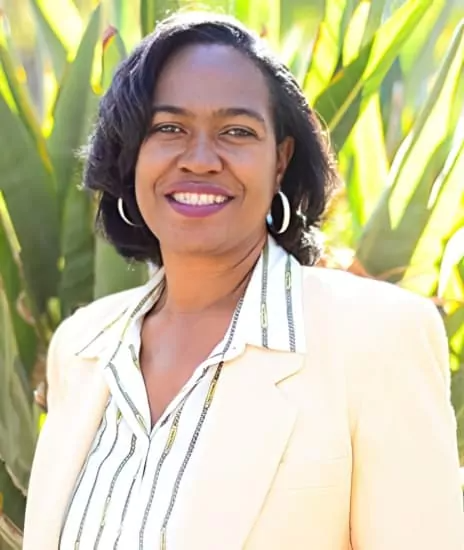
By Yvonne Brooks
Fear can influence more than our emotions. It can shape the thoughts we
repeat, the questions we ask, and the outcomes we expect.
Before a difficult conversation, fear may whisper, They will reject
me. Before a new opportunity, fear may ask, What if I fail? During a
peaceful season, fear may suggest, Something bad must be coming.
Gradually, we can begin to experience tomorrow’s imagined trouble in
today’s thoughts.
Job 3:25 gives us an honest glimpse into a suffering man’s heart. His words
invite us to examine our fears while learning to bring them before God.
Understanding Job’s Words
Job spoke these words after devastating losses and painful illness. In
chapter three, he lamented his suffering, expressing the depth of his
anguish.
Job’s statement describes his experience; it does not teach that his
fearful thoughts caused his tragedies. The opening chapters of Job
describe circumstances beyond his knowledge and control. We should
never use this verse to blame suffering people or suggest that every
hardship results from insufficient faith.
Job was hurting, and he spoke honestly.
His lament reminds us that faith does not require pretending we are
unafraid. We can bring our distress, confusion, and unanswered questions
into our relationship with God.
1. The Thoughts Fear Produces
Fear often draws our attention toward danger, loss, rejection, and
uncertainty. Healthy caution helps us recognize a concern and respond
wisely. When fear becomes controlling, however, it can make a possibility
feel like a certainty.
Fear-shaped thoughts may sound like:
• “Something will go wrong.”
• “I will never recover from this.”
• “If I cannot control everything, I cannot be safe.”
• “One disappointment means my future is ruined.”
• “God helped others, but perhaps He will not help me.”
These thoughts can feel convincing, especially after painful experiences.
Yet the strength of a feeling does not establish the truth of its message.
Second Corinthians 10:5 calls believers to bring thoughts into obedience to
Christ. One practical application is to examine what we are telling ourselves
in the light of God’s truth.
Ask yourself:
What has actually happened, and what am I imagining might happen?
Then consider:
Does this thought leave room for God’s wisdom, help, and presence?
You do not have to deny a real problem to challenge a fearful conclusion.
“I am facing something difficult” is different from “There is no hope for me.”
2. The Questions Fear Produces
Questions guide our attention. Fear often asks questions that keep us
rehearsing threats without helping us respond.
What if I lose everything?
What if they leave me?
What if I make the wrong decision?
What if this never gets better?
These questions deserve compassion. They may reveal a place where we
feel vulnerable, wounded, or responsible for more than we can carry.
But we can also ask questions that invite faith and wise action.
Faith does not forbid hard questions. It helps us bring those questions to
God instead of allowing them to circle endlessly within us.
Psalm 56:3 offers a simple response: when fear arises, we can choose to
trust God. Trust can begin while we are still afraid.
3. The Expectations Fear Produces
When we repeatedly rehearse fearful thoughts, we may begin to expect
disappointment before anything has happened.
We might enter a conversation expecting criticism, approach an opportunity
expecting failure, or struggle to enjoy a peaceful moment because we are
waiting for it to end.
Those expectations can influence our choices. We may withdraw, delay,
become defensive, or try to control others.
This does not mean our thoughts determine every event. It means our
expectations can affect how we participate in life.
Biblical hope allows us to face uncertainty with confidence in God’s
character. It does not guarantee that every circumstance will unfold as we
prefer.
When fear asks... Faith can also ask...
What if everything goes
wrong? What is the next wise step I can take with God?
What if I am rejected? How can I remember my worth while responding honestly?
What if I do not have enough? What resources, support, and responsible choices are
available?
What if I cannot handle this? Who can help me carry what is difficult?
What if the future is painful? How can I trust God with what I cannot know today?
In Matthew 6:34, Jesus teaches us not to carry tomorrow’s worries into
today. His words invite us to attend to the day before us rather than
continually live inside an imagined future.
We can prepare responsibly and still release the demand to know every
outcome.
4. What Is Fear Trying to Protect?
Sometimes the fear we express points to something precious:
Fear of rejection may reveal a longing to belong.
Fear of financial loss may reveal a need for stability.
Fear of failure may reveal how deeply we care about our assignment.
Fear of illness may reveal how much we value life and family.
Instead of condemning yourself for feeling afraid, pause and ask:
What matters to me beneath this fear?
Then bring that concern to God.
“Father, I am afraid because my family matters to me.”
“Lord, I feel uncertain because I want to steward this responsibility well.”
“Holy Spirit, help me respond wisely to this concern.”
Honest prayer makes room for both tenderness and direction.
5. Practicing a Faithful Response
When fear begins shaping your inner conversation, try these five steps:
1. Name the fear.
Be specific: “I am afraid this conversation will damage our
relationship.”
2. Separate facts from predictions.
What do you know? What are you assuming?
3. Bring the concern to God.
Pray honestly rather than searching for words that sound impressive.
4. Choose a wise action.
Prepare, seek counsel, ask for help, or take the next manageable
step.
5. Release what you cannot control.
You can be responsible for your actions without being responsible for
every outcome.
Peace may grow gradually. Returning to God repeatedly is part of
practicing trust.
Faith Questions to Ponder
• What fearful thought have I been repeating most often?
• Which of my questions helps me act wisely, and which keeps me
circling in worry?
• Have I been treating an imagined outcome as an established fact?
• What past disappointment may be influencing my present
expectations?
• What do I know about God’s character that speaks to this fear?
• What practical step can I take today?
• What outcome do I need to place in God’s hands?
A Simple Journal Exercise
Complete these sentences:
The thought fear keeps producing is:
The question I keep asking is:
The outcome I have been expecting is:
The biblical truth I want to remember is:
The faithful action I will take today is:
Closing Prayer
Heavenly Father,
You know the thoughts I repeat, the questions I carry, and the outcomes I
fear. Help me recognize when worry is shaping my expectations.
Give me wisdom to distinguish real concerns from fearful predictions.
Teach me to ask questions that lead toward truth, prayer, support, and
responsible action.
Where past pain has made me expect disappointment, meet me with Your
compassion. Where I am trying to control what belongs in Your hands, help
me release it.
Thank You that I can speak honestly to You, even when I feel afraid. Help
me take today’s next step with faith and leave tomorrow in Your care.
In Jesus’ name, amen.
Today’s declaration:
I can acknowledge my fear and bring it to God. With His help, I will examine
my thoughts, ask wise questions, and take my next step in faith.
Yvonne Brooks
parentingwithloveacademy.com

 Launch your Graphy